
Ever looked at your robot vacuum and wondered, “Wait, is this it? Are these the only robots we get?”
You’re not alone.
We’ve all seen sci-fi robots do backflips, fold laundry, and make pancakes — but in real life? Most of us have a Roomba and maybe a smart speaker pretending to be a butler.
Let’s break down what’s actually out there.
Because the types of consumer robots available today are way more interesting (and useful) than people think.
Table of Contents
🧹 Cleaning Robots: Because No One Actually Likes Vacuuming
If you’re living with pets, kids, or just crumbs everywhere, you already know the value of robot cleaners.
These are the OGs of consumer robotics.
The first big hit? Roomba by iRobot.
But now we’ve got more to choose from:
- Robot vacuum cleaners: Roomba, Roborock, Ecovacs Deebot, Samsung JetBot AI+
- Mopping robots: Braava Jet, Bissell SpinWave
- Lawn-mowing robots: Worx Landroid, Husqvarna Automower
These bots use LiDAR, AI mapping, and sometimes even object detection (hi pet poop) to clean while you’re at work or bingeing Netflix.
Some even talk to you through Google Assistant or Alexa.
Key things I look for:
- Smart navigation (nobody wants a bot stuck under the couch)
- Scheduling
- Self-emptying (yes please)
Cleaning robots are still the most common type of consumer robot, and for good reason — they solve a problem everyone hates.
👋 Personal Assistant Robots: Alexa, But With a Body
If a robot follows you around the house while reminding you of your meetings, is it a personal assistant or a slightly creepy friend?
That’s what Amazon Astro is sort of doing.
Personal assistant robots are basically smart speakers on wheels.
They combine voice AI (like Alexa or Google Assistant) with movement, cameras, and screens. Think:
- Astro by Amazon
- Temi robot (often used in hospitality too)
- Ballie by Samsung (launched at CES with much hype)
They handle:
- Smart home control
- Reminders
- Video calls
- Home monitoring
Astro, for example, can patrol your house when you’re away. It’s a rolling security cam slash house-sitter.
The line between personal assistant robots and home automation gets blurry, but these bots are designed for direct interaction — not just hiding behind an app.
🤖 Social and Companion Robots: For the Lonely, the Curious, and the Kids
This is where it gets sweet. Or weird. Or both.
Social robots are made to talk, play, and emote.
They don’t just do tasks — they engage.
Meet some standout characters:
- Moxie by Embodied (built for kids’ emotional development)
- Pepper by SoftBank Robotics (used in schools and stores)
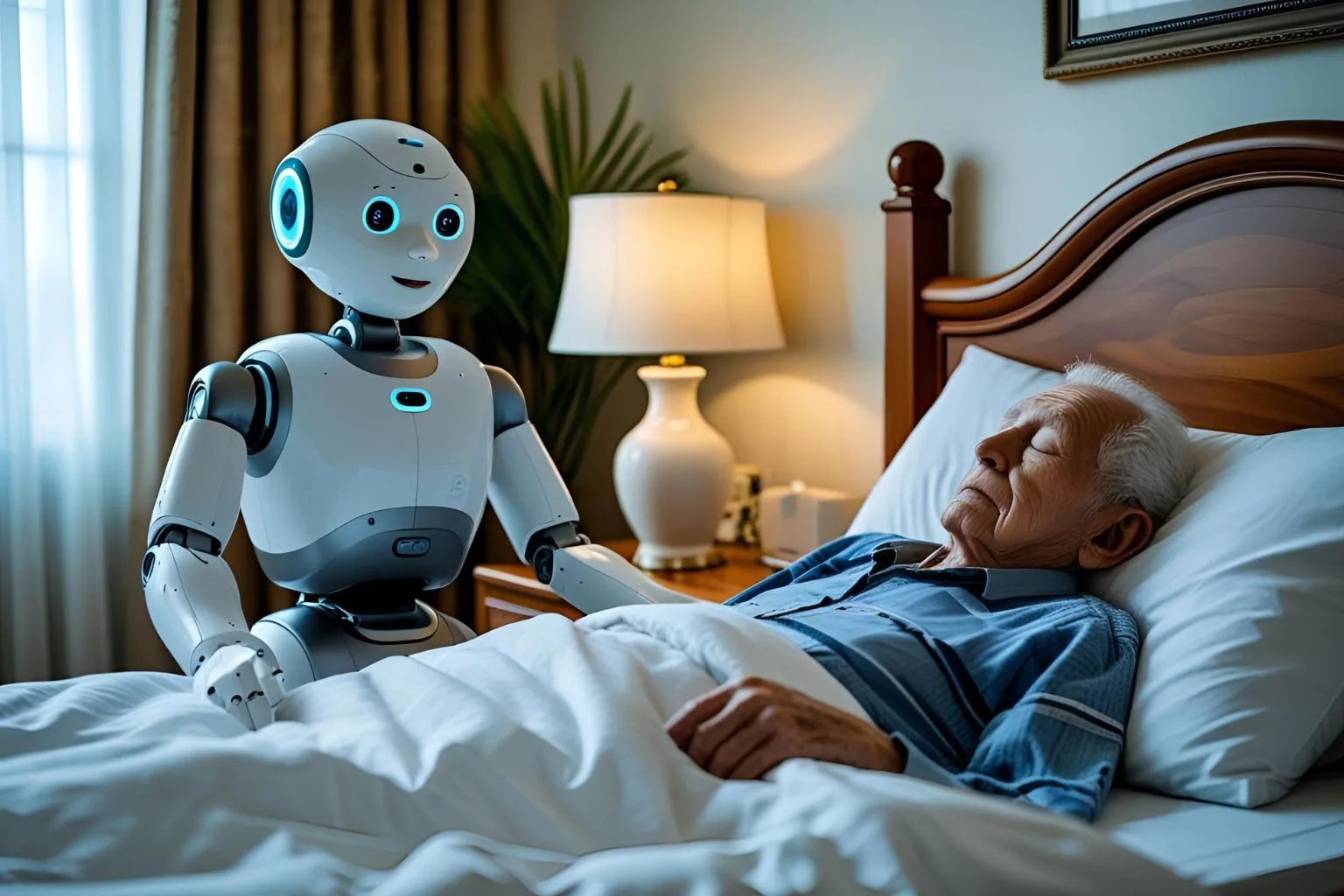
- ElliQ (designed to support older adults with conversation and reminders)
- Cozmo and Vector by Anki (tiny, interactive desktop bots with personality)
These bots use emotional AI, cameras, and natural language processing to interact like living things.
I’ve seen kids bond with Cozmo like it’s a puppy.
I’ve also seen my friend’s grandma chat with ElliQ like it’s her therapist.
They’re not replacing humans, but they scratch an itch for connection, especially for the isolated or overstimulated.
🔐 Security Robots: Mobile Surveillance Without the Drama
When I first heard about home security robots, I pictured a mini Boston Dynamics Spot walking laps in my hallway.
That’s not (yet) what we’ve got.
Most security-focused consumer robots are part of the smart home ecosystem:
- Astro with Ring security
- Moorebot Scout (tiny camera bot that patrols indoors)
- Appbot Riley (remote-control surveillance with two-way audio)
They roam your house, stream video to your phone, and send alerts if something looks off.
Are they perfect? Not yet. But if you want a bot that checks in when your door opens or your cat acts shady, it’s pretty useful.
🎮 Entertainment and Educational Robots: Play Meets Programming
Let’s be real — sometimes we just want robots to be fun.
Entertainment and education robots are booming, especially for kids learning STEM or adults who just like gadgety toys.
Some awesome examples:
- Cozmo and Vector (yes, again — they’re that fun)
- LEGO Mindstorms (programmable robots for tinkering)
- Miko (talkative AI companion that tells jokes and teaches stuff)
- Sphero robots (programmable rolling bots used in classrooms)
These are interactive, teach basic coding, and honestly… they’re great gifts.
You don’t need to be a kid to play with one.
Even robots like Sony’s Aibo (the robotic dog) fall into this category — more emotional connection than productivity.
🧓 Health and Wellness Robots: Your New Workout Buddy or Rehab Coach
This one’s still developing, but it’s promising.
Consumer robots in health focus on support, monitoring, and motivation.
You won’t find surgical bots here — these are made for home use:
- Robots that assist with mobility or rehab exercises
- Therapy bots that mimic pets to reduce anxiety (like Paro the seal)
- Fitness robots that track movements and give real-time feedback
A lot of these were tested during COVID, especially with elderly people living alone.
While not as mainstream as robot vacuums, wellness bots are growing fast — especially in ageing populations.
🧠 Real Talk: What Makes a Consumer Robot Useful?
After playing with a dozen robots over the years, here’s what I always ask:
- Does it solve a real problem?
- Is it easy to use without an engineering degree?
- Will it still work next year or is it just a hype toy?
The best types of consumer robots are invisible until they’re needed.
Like a robot mop that just works or a pet-like bot that brings your kid joy after school.
It’s not about humanoid robots making coffee.
It’s about small, clever machines improving life — bit by bit.
🛠️ What To Look For Before You Buy
Before you drop £500+ on a home bot, check:
- Battery life
- App integration (is it Apple/Google friendly?)
- Privacy controls
- Software updates — some bots die when support ends
- Physical size — some are smaller than a loaf of bread, others take up serious space
Also, watch for connectivity issues. A bot that loses Wi-Fi every day is more annoying than helpful.
🔎 Internal Links You’ll Like
- Robot Vacuums
- Social Robots for Seniors
- Best AI Robots for Kids
- Smart Home Robot Hubs
- Companion Robots
❓FAQs
What are the most common types of consumer robots?
Cleaning robots like Roomba, personal assistants like Astro, and companion bots like Moxie are the most common types of consumer robots.
Are robot vacuums worth it?
Yes, especially if you hate cleaning. Models with AI mapping and self-emptying are the best combo of lazy + efficient.
Can consumer robots interact with smart home devices?
Many can! Robots like Astro, Ballie, and some robot vacuums integrate with Alexa, Google Home, or Apple HomeKit.
Are robots safe to have around kids?
Generally, yes — especially those designed for kids like Cozmo or Miko. Always check for certifications and reviews though.
Do social robots really help with loneliness?
They can. Devices like ElliQ and Moxie aren’t replacements for people, but they add structure, reminders, and emotional connection — especially for kids and older adults.
That’s the wild, wonderful world of the types of consumer robots — and trust me, it’s only getting started.


